



Home Travel 5 Dishes of Brazilian Gastronomy That Represent the Country’s Diversity

5 Dishes of Brazilian Gastronomy That Represent the Country’s Diversity

With its rich flavors and regional traditions, Brazilian gastronomy reflects the diversity of the country.

Share this article

Brazilian gastronomy is a vibrant reflection of the nation’s multicultural heritage, shaped by Indigenous traditions, European colonization, and African influences. Across its vast territory, each region offers unique ingredients and preparation methods that tell the story of its people, resulting in a rich culinary landscape.

Exploring these culinary traditions reveals how food serves as a powerful symbol of cultural identity in South America’s largest country. This selection highlights five essential dishes that showcase the diversity of traditional Brazilian food through distinct ingredients, historical roots, and regional flavors.

Feijoada: A Brazilian Classic
Brazilian gastronomy is a vibrant reflection of the nation’s multicultural heritage,

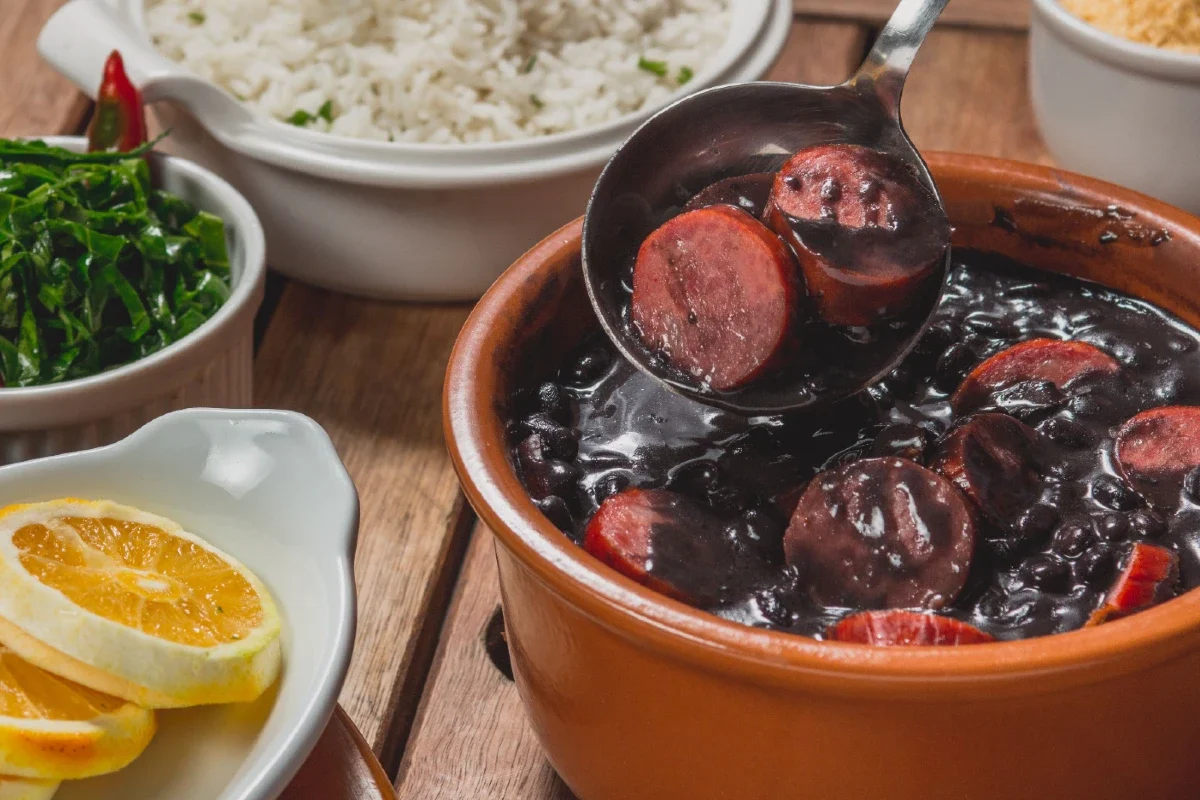
A Brazilian classic, feijoada is rich in flavor and deeply rooted in the country’s culinary traditions. Beatriz Haiana/ Pexels

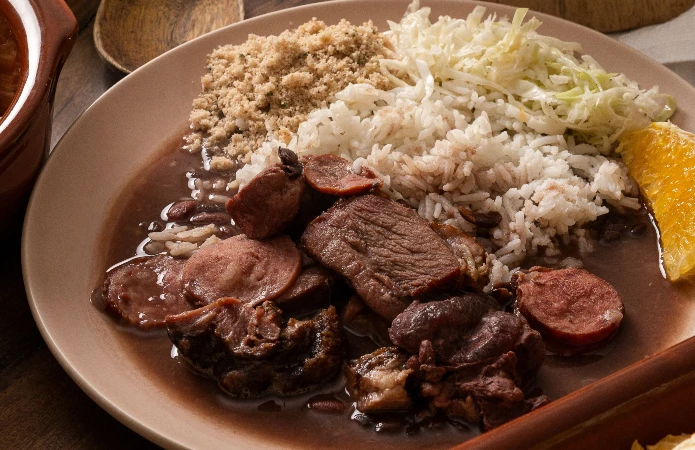
Feijoada is one of Brazil’s most iconic dishes, deeply rooted in the country’s history and social traditions. Associated with colonial-era Brazil, this rich stew combines black beans with various cuts of pork and beef, slow-cooked to create a hearty and flavorful meal.

Over the generations, feijoada evolved from a home-cooked meal into a celebrated social tradition shared during family gatherings and weekends. Served alongside rice, collard greens, orange slices, and toasted cassava flour (farofa), it remains one of the most recognizable dishes in Brazilian cuisine.

Moqueca: The Flavors of Brazil’s Coast
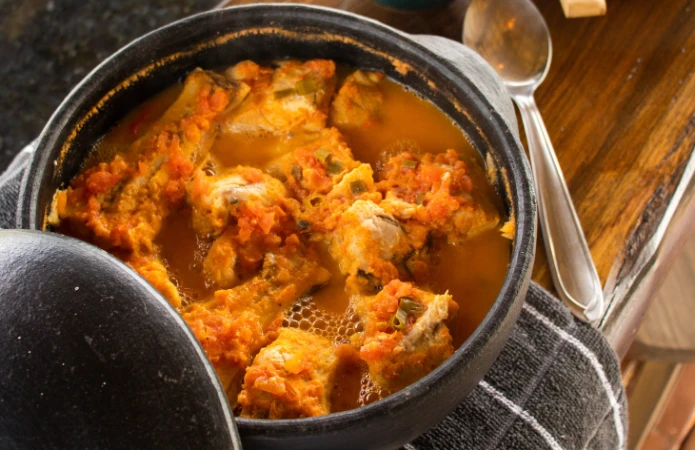
Moqueca is a traditional coastal seafood stew that highlights the rich marine resources and cultural influences of Brazil’s coastal regions.

A taste of Brazil’s coast, moqueca blends fresh seafood with bold regional flavors. Letícia Alvares/ Pexels

A traditional coastal seafood stew, moqueca highlights the rich marine resources and cultural influences of Brazil’s coastal regions. The dish typically features fresh fish or shellfish simmered in a flavorful broth made with tomatoes, onions, garlic, and fresh herbs.

Depending on the regional tradition, such as the styles found in Bahia or Espírito Santo, the recipe may include dendê oil, coconut milk, or fresh cilantro. Served with white rice and pirão, a thickened mixture made from fish broth and cassava flour, moqueca offers a distinctive taste of Brazil’s tropical coast.

(See also: Why Is Açaí a Brazilian Fruit Loved Around the World?)

Tacacá: A Taste of the Amazon
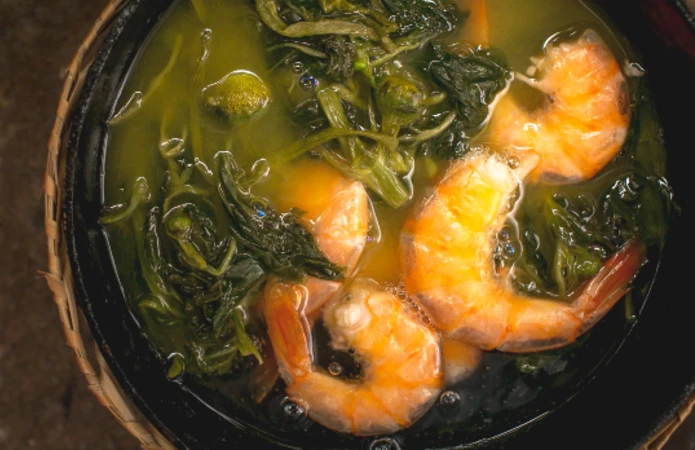
Tacacá is a traditional Amazonian broth deeply connected to Indigenous heritage and the unique biodiversity of northern Brazil.

A signature of the Amazon, tacacá is marked by tucupi, jambu and unmistakable local flavors. MTur Destinations/ Flickr

A traditional Amazonian broth, tacacá is deeply connected to Indigenous heritage and the unique biodiversity of northern Brazil. Served hot in a traditional bowl, it combines tucupi, a yellow broth extracted from wild manioc root, with jambu, a local herb known for causing a characteristic tingling sensation on the lips.

The dish is completed with dried shrimp and small yellow chili peppers, creating a distinctive combination of flavors and textures. As a staple of Amazonian street food and cultural identity, tacacá offers a direct culinary connection to the heart of the rainforest.

Churrasco de Chão: The Gaucho Tradition
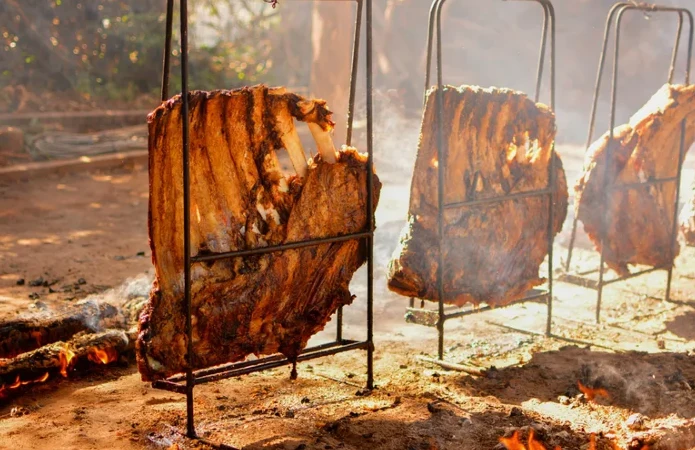
Churrasco de chão represents a traditional gaucho barbecue style deeply rooted in the culture of southern Brazil.

Open-fire cooking at its most traditional, churrasco de chão is rooted in the gaucho culture of Southern Brazil. Reproduction/ Social Media

Churrasco de chão represents a traditional gaucho barbecue style deeply rooted in the culture of southern Brazil. Prime cuts of beef are seasoned simply with coarse salt and roasted over an open fire, allowing the natural flavor of the meat to take center stage.

This outdoor preparation method reflects the pastoral traditions of the southern plains, where gauchos gathered around open fires to cook meat. Today, this culinary tradition is enjoyed beyond the region, associated with hospitality, celebration, and the appreciation of Brazilian barbecue.

Baião de Dois: A Taste of Northeastern Brazil
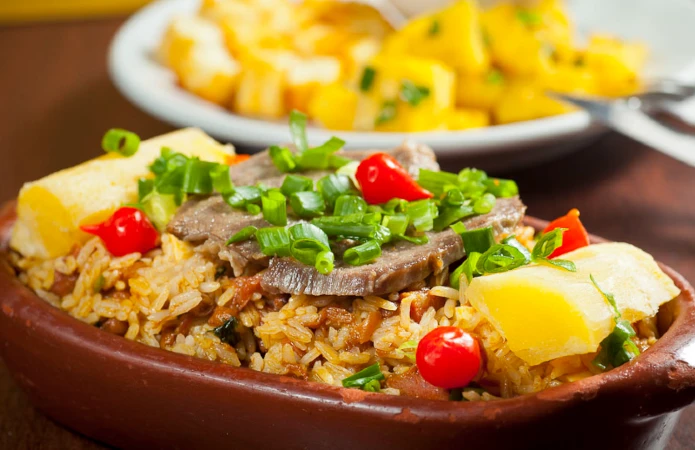
Baião de dois is a comforting and flavorful dish that reflects the culinary traditions of northeastern Brazil.

A comforting Northeastern combination of rice and beans, baião de dois has become a regional icon. Zé Carlos Barretta/ Wikimedia Commons

A comforting and flavorful dish, Baião de dois reflects the culinary traditions of northeastern Brazil. The recipe combines rice and beans, usually cowpeas, cooked together with garlic, onions, and spices to develop a rich flavor.

To complete its distinct regional profile, the dish is often enriched with cubes of queijo coalho and shredded carne seca, or dried meat. As a beloved part of northeastern cuisine, baião de dois highlights the cultural diversity that defines Brazilian gastronomy.

Get interesting content about Brazil on social media! Just follow our official Instagram and Facebook pages.

Enjoyed this article? Click on to discover more about Brazil and uncover more stories, places, and experiences from this fascinating country.

Home Travel 5 Dishes of Brazilian Gastronomy That Represent the Country’s Diversity

5 Dishes of Brazilian Gastronomy That Represent the Country’s Diversity

With its rich flavors and regional traditions, Brazilian gastronomy reflects the diversity of the country.

Share this article

Feijoada is one of Brazil’s most iconic dishes
José Roberto Oliveira/ Pexels

Brazilian gastronomy is a vibrant reflection of the nation’s multicultural heritage, shaped by Indigenous traditions, European colonization, and African influences. Across its vast territory, each region offers unique ingredients and preparation methods that tell the story of its people, resulting in a rich culinary landscape.

Exploring these culinary traditions reveals how food serves as a powerful symbol of cultural identity in South America’s largest country. This selection highlights five essential dishes that showcase the diversity of traditional Brazilian food through distinct ingredients, historical roots, and regional flavors.

Feijoada: A Brazilian Classic

Brazilian gastronomy is a vibrant reflection of the nation’s multicultural heritage,

A Brazilian classic, feijoada is rich in flavor and deeply rooted in the country’s culinary traditions. Beatriz Haiana/ Pexels

Feijoada is one of Brazil’s most iconic dishes, deeply rooted in the country’s history and social traditions. Associated with colonial-era Brazil, this rich stew combines black beans with various cuts of pork and beef, slow-cooked to create a hearty and flavorful meal.

Over the generations, feijoada evolved from a home-cooked meal into a celebrated social tradition shared during family gatherings and weekends. Served alongside rice, collard greens, orange slices, and toasted cassava flour (farofa), it remains one of the most recognizable dishes in Brazilian cuisine.

Moqueca: The Flavors of Brazil’s Coast

Moqueca is a traditional coastal seafood stew that highlights the rich marine resources and cultural influences of Brazil’s coastal regions.

A taste of Brazil’s coast, moqueca blends fresh seafood with bold regional flavors. Letícia Alvares/ Pexels

A traditional coastal seafood stew, moqueca highlights the rich marine resources and cultural influences of Brazil’s coastal regions. The dish typically features fresh fish or shellfish simmered in a flavorful broth made with tomatoes, onions, garlic, and fresh herbs.

Depending on the regional tradition, such as the styles found in Bahia or Espírito Santo, the recipe may include dendê oil, coconut milk, or fresh cilantro. Served with white rice and pirão, a thickened mixture made from fish broth and cassava flour, moqueca offers a distinctive taste of Brazil’s tropical coast.

(See also: Why Is Açaí a Brazilian Fruit Loved Around the World?)

Tacacá: A Taste of the Amazon

Tacacá is a traditional Amazonian broth deeply connected to Indigenous heritage and the unique biodiversity of northern Brazil.

A signature of the Amazon, tacacá is marked by tucupi, jambu and unmistakable local flavors. MTur Destinations/ Flickr

A traditional Amazonian broth, tacacá is deeply connected to Indigenous heritage and the unique biodiversity of northern Brazil. Served hot in a traditional bowl, it combines tucupi, a yellow broth extracted from wild manioc root, with jambu, a local herb known for causing a characteristic tingling sensation on the lips.

The dish is completed with dried shrimp and small yellow chili peppers, creating a distinctive combination of flavors and textures. As a staple of Amazonian street food and cultural identity, tacacá offers a direct culinary connection to the heart of the rainforest.

Churrasco de Chão: The Gaucho Tradition

Churrasco de chão represents a traditional gaucho barbecue style deeply rooted in the culture of southern Brazil.

Open-fire cooking at its most traditional, churrasco de chão is rooted in the gaucho culture of Southern Brazil. Reproduction/ Social Media

Churrasco de chão represents a traditional gaucho barbecue style deeply rooted in the culture of southern Brazil. Prime cuts of beef are seasoned simply with coarse salt and roasted over an open fire, allowing the natural flavor of the meat to take center stage.

This outdoor preparation method reflects the pastoral traditions of the southern plains, where gauchos gathered around open fires to cook meat. Today, this culinary tradition is enjoyed beyond the region, associated with hospitality, celebration, and the appreciation of Brazilian barbecue.

Baião de Dois: A Taste of Northeastern Brazil

Baião de dois is a comforting and flavorful dish that reflects the culinary traditions of northeastern Brazil.

A comforting Northeastern combination of rice and beans, baião de dois has become a regional icon. Zé Carlos Barretta/ Wikimedia Commons

A comforting and flavorful dish, Baião de dois reflects the culinary traditions of northeastern Brazil. The recipe combines rice and beans, usually cowpeas, cooked together with garlic, onions, and spices to develop a rich flavor.

To complete its distinct regional profile, the dish is often enriched with cubes of queijo coalho and shredded carne seca, or dried meat. As a beloved part of northeastern cuisine, baião de dois highlights the cultural diversity that defines Brazilian gastronomy.

Get interesting content about Brazil on social media! Just follow our official Instagram and Facebook pages.

Enjoyed this article? Click on to discover more about Brazil and uncover more stories, places, and experiences from this fascinating country.

YOU MAY ALSO BE INTERESTED IN

____________