

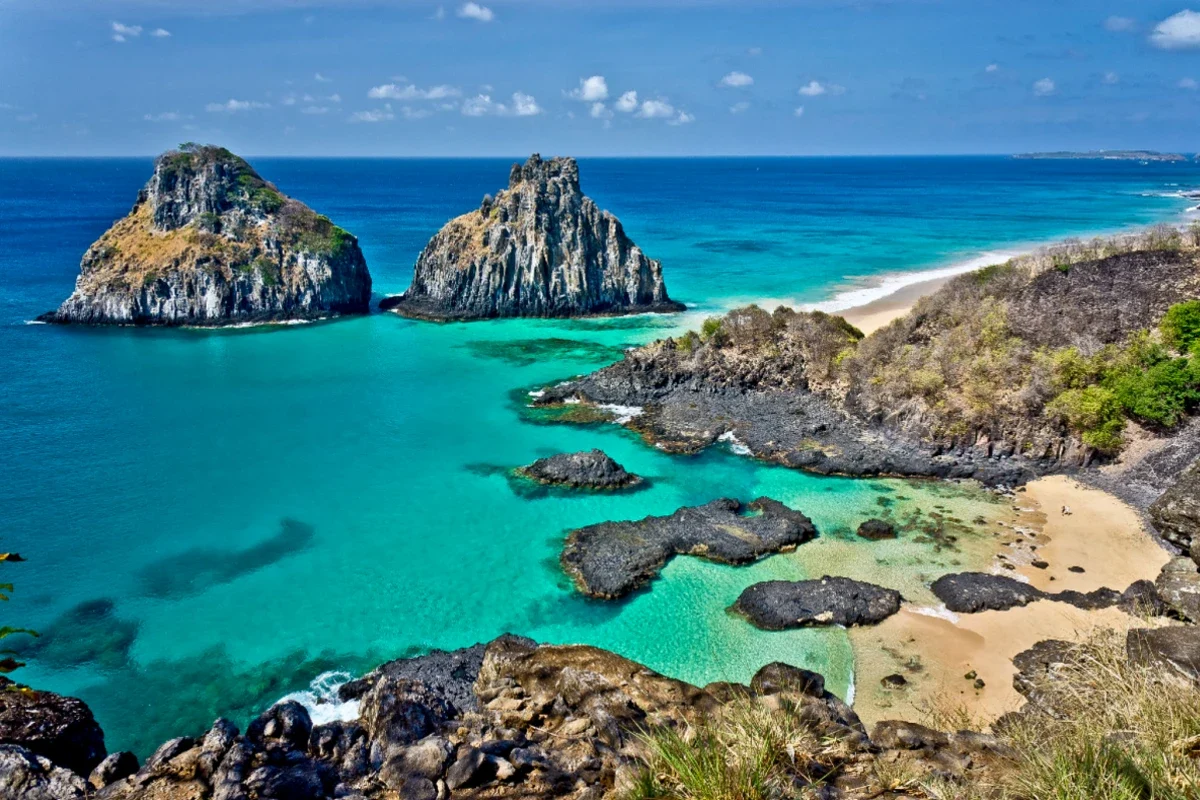
Brazil is one of the most biodiverse countries on Earth, with an enormous territory home to forests, waterfalls, dunes, mountains, islands, and rivers. This diversity creates natural landscapes that can look completely different from one region to another.
Some of these places are internationally famous, while others remain relatively unknown to travelers from abroad. Together, these seven landscapes in Brazil reveal the country’s remarkable natural diversity and offer unforgettable experiences for those looking beyond the usual tourist destinations.
1. Lençóis Maranhenses
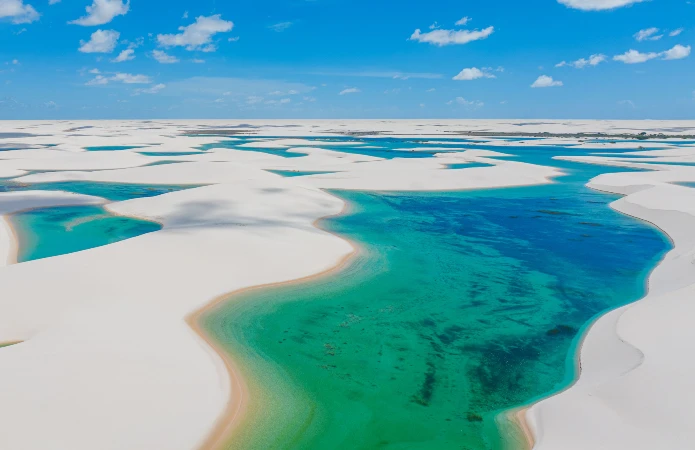
Stretching along the coast of Maranhão, Lençóis Maranhenses is famous for its vast fields of white sand dunes and freshwater lagoons. During the rainy season, hundreds of pools form between the dunes, creating one of Brazil’s most unusual landscapes.
The contrast between bright sand and blue or green water makes the scenery look almost unreal. Visitors can explore the dunes and lagoons on guided tours from towns such as Barreirinhas, one of the main gateways to the park.
2. Iguaçu Falls
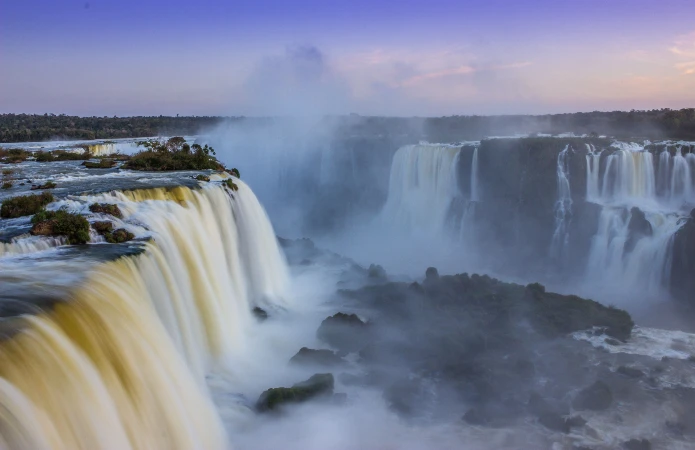
On the border between Brazil and Argentina, Iguaçu Falls is one of the world’s most spectacular waterfall systems. Surrounded by Atlantic Forest, it consists of enormous cascades, including the famous Devil’s Throat.
Walkways on the Brazilian side offer panoramic views and bring visitors close to the spray and roar of the water. The combination of waterfalls and dense rainforest makes Iguaçu one of Brazil’s most iconic natural landscapes.
3. Chapada Diamantina
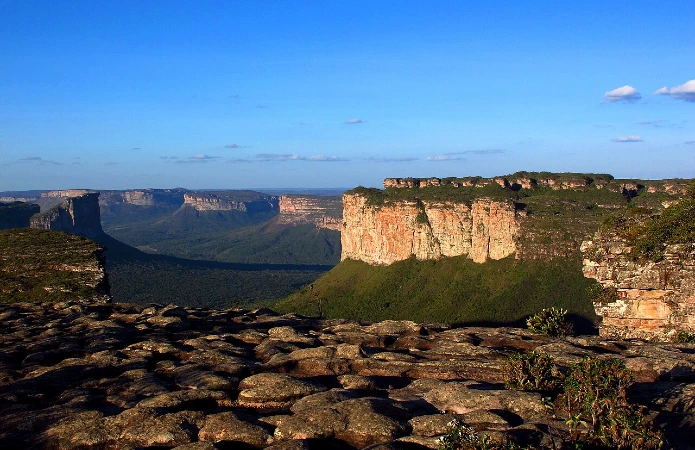
In the heart of Bahia, Chapada Diamantina is a vast region of mountains, valleys, caves, rivers, and waterfalls. Its rugged terrain creates some of the most dramatic scenery in northeastern Brazil, with rocky peaks and deep canyons.
Hiking is one of the best ways to explore the region, with trails leading to waterfalls, natural pools, caves, and viewpoints. The variety of terrain makes Chapada Diamantina very different from Brazil’s coastal landscapes.
(See also: Who Was Pelé? The Greatest Soccer Player in History)
4. Fernando de Noronha
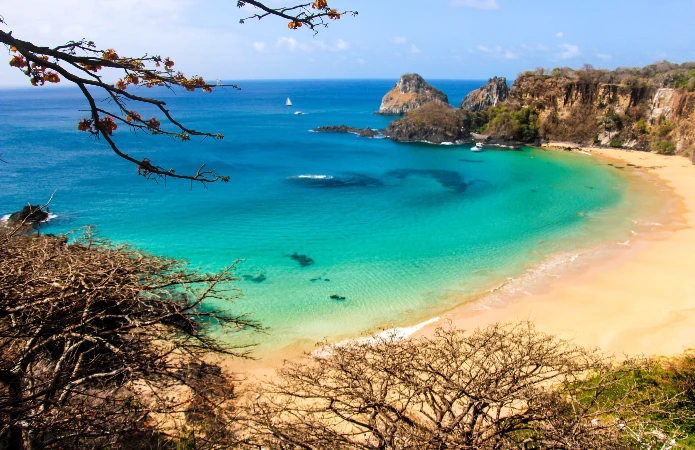
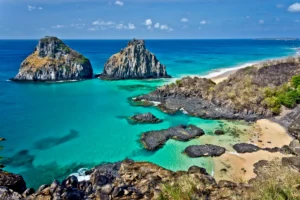
Far off Brazil’s northeastern coast, Fernando de Noronha is an Atlantic archipelago known for volcanic landscapes, dramatic cliffs, clear waters, and beautiful beaches. Its isolation has helped preserve one of Brazil’s most remarkable natural environments.
Snorkeling and diving are among the main attractions, with opportunities to see sea turtles, dolphins, rays, and colorful fish. Strict environmental controls also help protect the islands’ fragile ecosystem.
5. Serra das Confusões
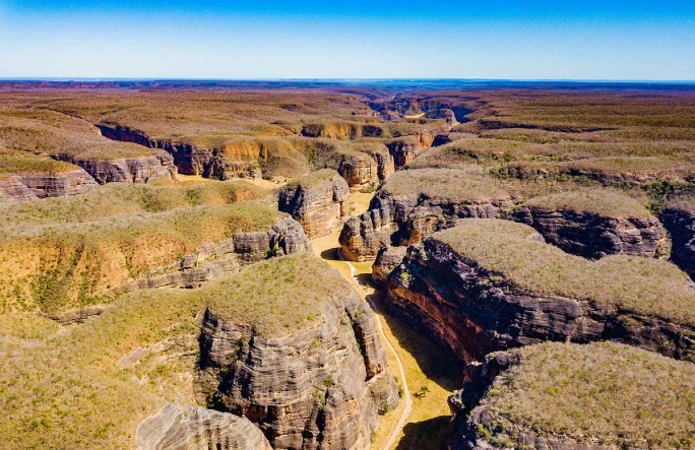
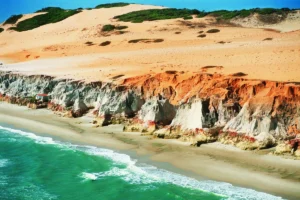
Deep in Piauí, Serra das Confusões National Park offers a very different side of Brazil. Its landscape features sandstone cliffs, rocky formations, caves, and canyons surrounded by the vegetation of the country’s semi-arid region.
The park is still relatively unknown to international travelers, which adds to its appeal. Its trails reveal a quieter and unexpected side of Brazil’s natural heritage.
6. The Amazon
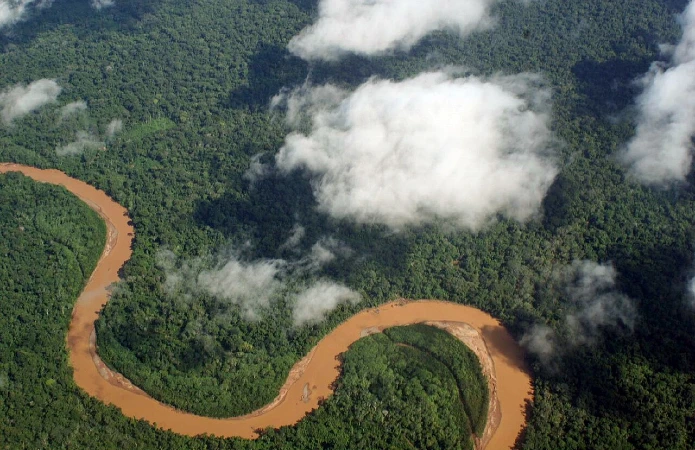
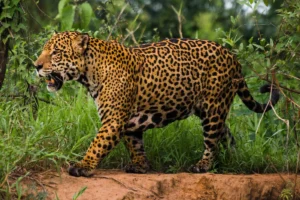
No list of Brazil’s great natural landscapes would be complete without the Amazon. Covering a vast portion of northern Brazil, it combines tropical rainforest, enormous rivers, flooded forests, islands, and extraordinary biodiversity.
Boat trips, forest walks, wildlife observation, and visits to riverside communities offer different ways to experience the region. Its immense scale makes the Amazon unlike almost anywhere else on Earth.
7. Jalapão
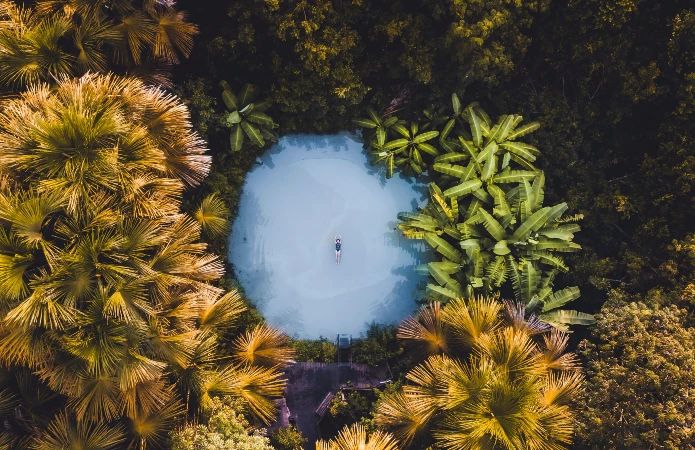
Set in Tocantins, Jalapão is known for its golden sand dunes, clear rivers, waterfalls, rocky formations, and natural springs called fervedouros. The combination of dry landscapes and lush areas of water gives the region a distinctive appearance.
Off-road trips connect its main attractions, allowing visitors to experience several different environments in one journey. Its unusual combination of colors and scenery makes Jalapão is one of the most distinctive landscapes in Brazil.